


Perugia
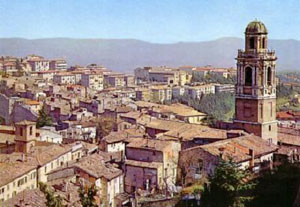
Perugia, located in the region of Umbria, an hour driving from our b&b, boasts Etruscan origins, many Roman settlements and a perfectly preserved Medieval center. Besides its vast artistic heritage, the city hosts international events: The Umbria Jazz Festival is one of the most important venues for Jazz in Europe, held annually in July since 1973, Eurochocolate, usually in October, Music Fest Perugia, festival for young talented musicians, usually in the summer.
Perugia International Airport is 1 hour's drive from the center of our village via the Bettolle-Perugia 6 motorway junction/A1 Perugia motorway junction.
Rapolano Terme - Serre di Rapolano
Why Visit Rapolano Terme? The ultimate guide to Tuscany’s hidden wellness gem.
Nestled in the heart of the Crete Senesi, just a short drive from Siena, Rapolano Terme is more than just a spa town—it’s where the raw beauty of the Tuscan landscape meets centuries of wellness tradition. If You’re looking to escape the tourist traps and find the "authentic Italy," here is why Rapolano is calling Your name.
Two world-class thermal resorts
Unlike many destinations that offer just one bathing spot, Rapolano gives You two distinct experiences, Terme di San Giovanni and Terme Antica Querciolaia.
The "moonlight" landscape of Crete Senesi
Rapolano sits in a unique geological zone. Forget the lush green forests; here You’ll find the Crete Senesi—a stunning, lunar-like landscape of gray clay mounds and lonely cypress trees.
The "Site Transitoire," a monumental stone sculpture located nearby, offers one of the most silent and spiritual views in all of Tuscany.

Photo credits: Marco Gambelli
The city of travertine
The very ground You walk on is part of the story. Rapolano is famous for its travertine quarries. This white, porous stone was used to build the monuments of Rome and the churches of Siena.
Walking through the historical center, You’ll see the golden-white stone glowing in the sunlight.
A gateway to Tuscan gastronomy
Rapolano is a "strategic" village for foodies. You are perfectly positioned between the Val di Chiana and the Val d'Orcia.
The food: indulge in Pici all’aglione (hand-rolled pasta) and Chianina beef.
The wine: You are a 30-minute scenic drive from the vineyards of Montepulciano and Montalcino.
Slow travel at its best
Rapolano moves at a different pace. It’s a place where You can spend the morning exploring a local market, the afternoon floating in 38°C (100°F) mineral waters, and the evening enjoying a quiet aperitivo in the piazza.
SerreMaggio Festival -Serre di Rapolano
The Festival "Serremaggio" takes place every May turning the town into a medieval centre with a costumed parade, colourful flag-throwing competition, open-air market, music, typical foods. The local cellars are open to visitors who can try the local traditional products, medieval style food and buy some handicraft products. Groups of dancers show ancient dances while musicians and jesters around the village entertain the visitors.
Arezzo
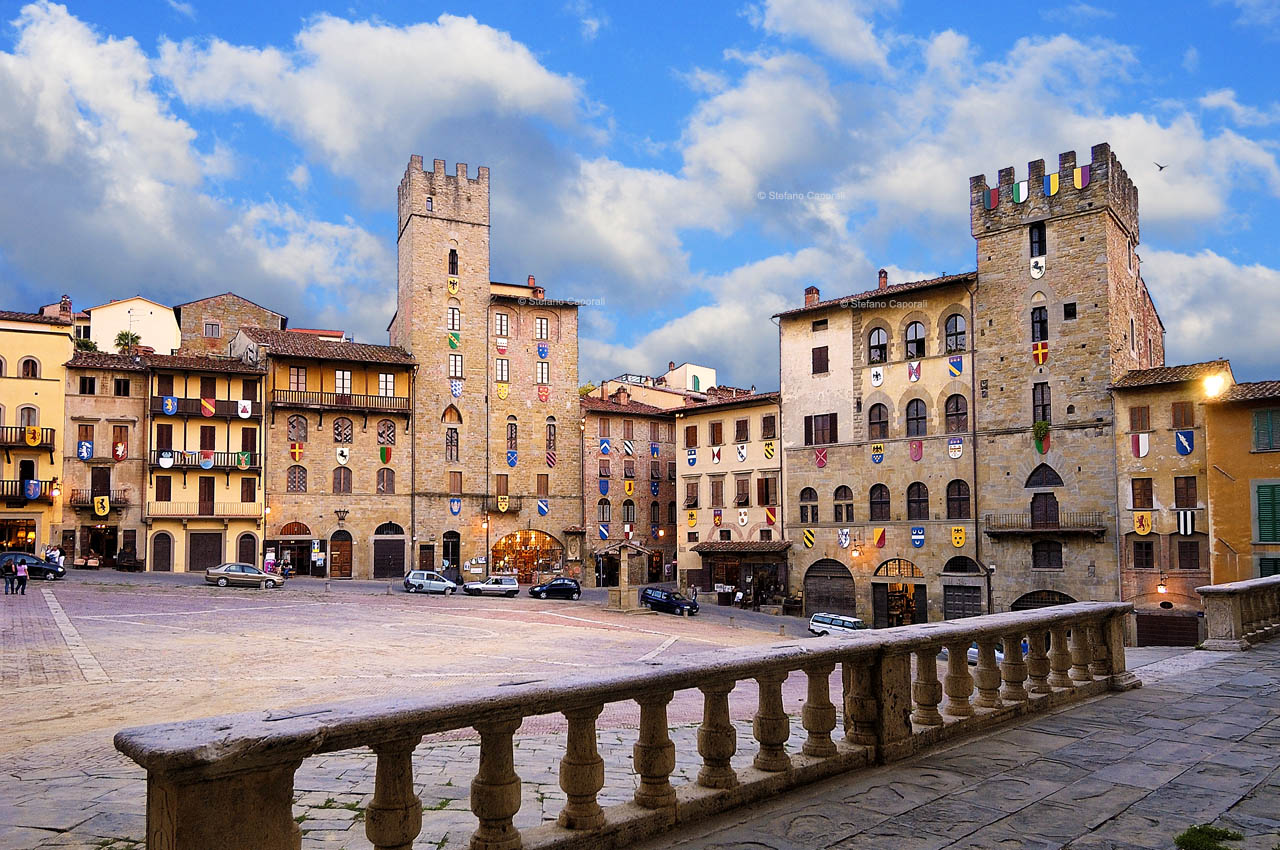
Arezzo is the city where Francesco Petrarca and Giorgio Vasari were born. Casa Vasari is today a museum where Vasari's masterpieces are collected together with the family archive and some paintings. The church of San Francesco is the ideal point of departure for discovering Piero della Francesca. The church safeguards his masterpiece "The Legend of the true Cross", an amazing sequence of frescoes. Arezzo is well-known for its goldsmith’s art and for the Antique fair. It takes place during the first weekend of every month in Piazza Grande since 1968.
Giostra del Saracino:
The tournament takes place twice a year, on June (Giostra di San Donato) and on September (Giostra della Madonna del Conforto), on Piazza Grande. The cavaliers of each city quarter must show their ability with a spear against the "fantoccio-puppet" of Saracino. The first documents concerning similar tournaments date back to 13th century.
Siena
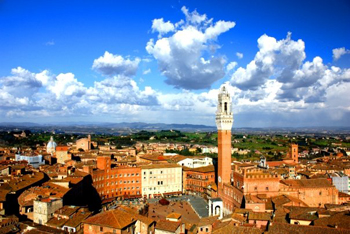
The perfectly preserved historic centre of Siena has been declared by UNESCO a World Heritage Site in 1995. It is one of the most beautiful expressions of Italian gothic and medieval architecture that culminates with the Cathedral, Duomo, where some of the most important masterpieces of Tuscan artists’ are preserved. The city had substantial influence on art, architecture and town planning during the Middle Ages, both in Italy and elsewhere in Europe.
The Sienese School of painting: the most important representatives are Duccio di Boninsegna, Simone Martini, Pietro and Ambrogio Lorenzetti. The Pinacoteca Nazionale dedicates to these painters an entire section.
The Palio (29th June-2nd July and 13th-16th August) Known as a horse race, the tradition of Palio deeply influences the life of the city. The city center is divided into 17 "Contrade" (quarters) representing the authentic soul of Siena, small "republics" that keep the tradition of Palio alive and contribute to preserve it intact. The event is one of the reasons why many visitors choose the Summer season for their holidays in Siena.
Some of the treasures You will find in Siena: Piazza del Campo, Torre del Mangia, Santa Maria della Scala Museum, Piccolomini Library, Pinacoteca Nazionale.